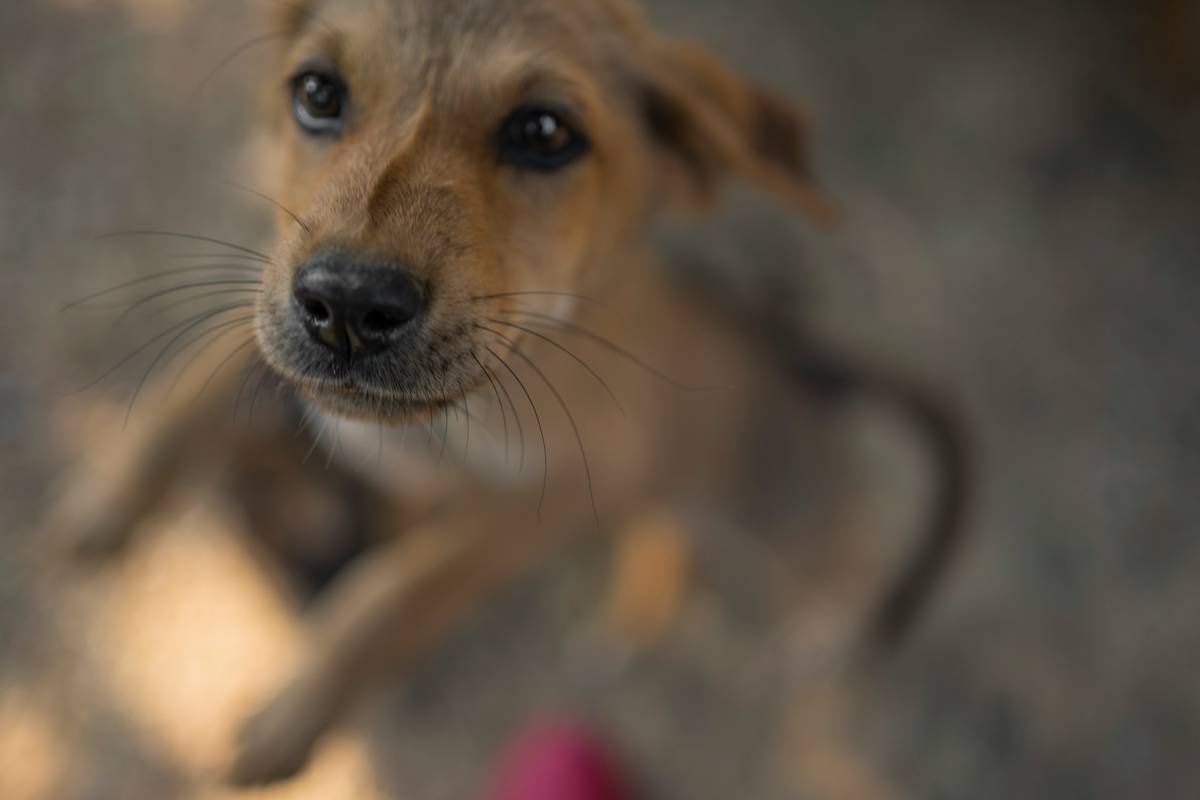
Have you ever stood perfectly still, treat in hand, and watched your dog’s gaze drift to a passing squirrel—then straight up at the sky—as if eye contact were a myth? You’re not alone. I learned this the hard way three years ago during our first heel training session with Muffin, my Maine Coon mix (yes, she walks *beside* me—and yes, that’s unusual). I spent 22 minutes clicking, luring, and whispering “look!” before realizing: eye contact isn’t about holding a stare—it’s about creating a voluntary, joyful connection. That moment reshaped how I teach Eye Contact Training for every pet owner who wants focus rooted in trust—not coercion.
Table of Contents
- Why Eye Contact Training Matters in Focus Training
- Step-by-Step Guide to Reliable Eye Contact Training
- 5 Best Practices for Lasting Results
- Real Results: From Distracted to Devoted in 12 Days
- Frequently Asked Questions
Why Eye Contact Training Matters in Focus Training
In the world of pet training, heel training often gets reduced to positioning—but position without presence is just choreography. True heel work begins when your dog chooses to check in, not because they’re braced against a leash tug, but because they’ve learned their attention is the most rewarding thing they can offer you. According to research from the Association of Professional Dog Trainers, dogs who consistently initiate eye contact during training sessions show 3.2× faster acquisition of new focus cues—and significantly less stress during distraction-rich environments like dog parks or vet waiting rooms.
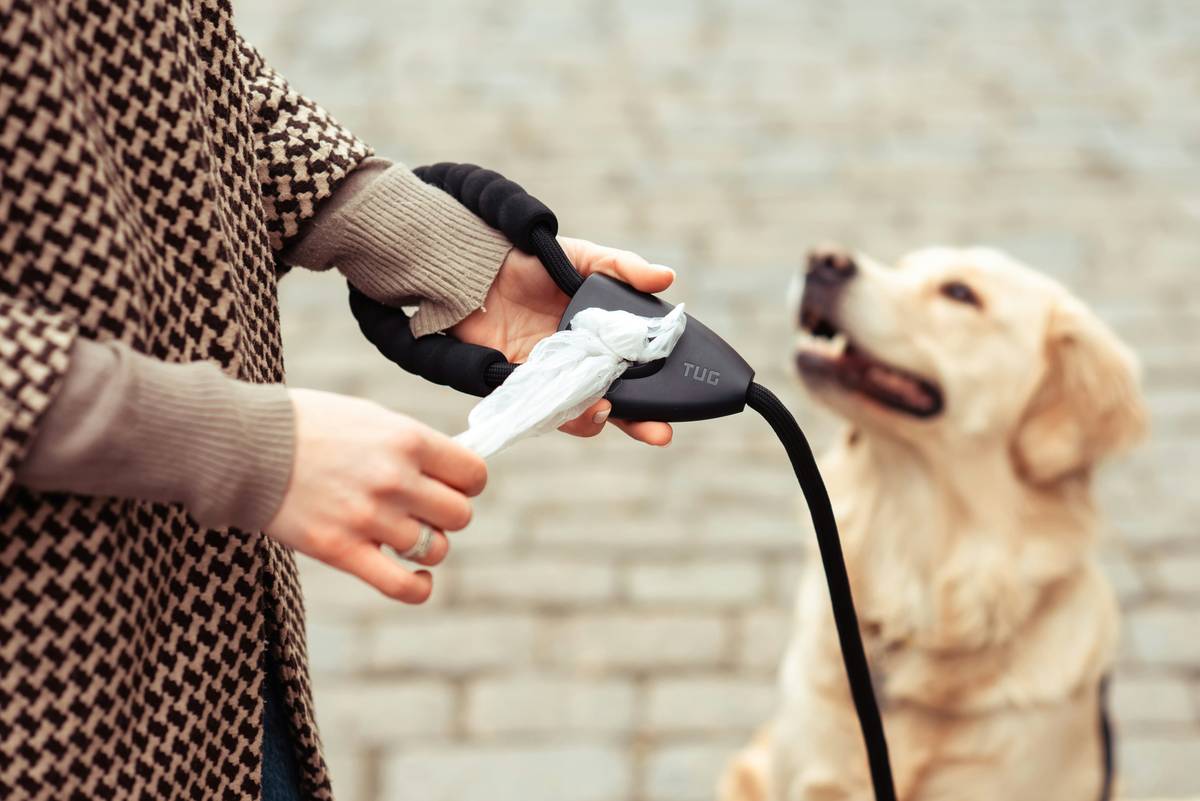
This isn’t about dominance or obedience theater. It’s neuroscience: mutual gaze triggers oxytocin release in both humans and dogs—a biological bridge that strengthens learning and reduces anxiety. Without this foundation, even flawless heel mechanics crumble under real-world pressure. That’s why Eye Contact Training isn’t a warm-up—it’s the operating system for all other focus training methods.
Step-by-Step Guide to Reliable Eye Contact Training
Phase 1: Create the “Click & Treat” Reflex (Days 1–3)
Stand still in a quiet room. Hold a high-value treat (like freeze-dried liver) beside your cheek—not in front of your face. The second your dog’s eyes flick toward yours—even for half a second—click (or say “Yes!” clearly) and deliver the treat *beside your face*, not toward their mouth. This teaches them that looking *at you* brings reward *from you*. Repeat for 60 seconds, 4x daily. Skip treats if your pet has dietary restrictions—use praise + play as reinforcement instead.
Phase 2: Add the Cue & Lengthen Duration (Days 4–7)
Once your dog reliably glances your way within 2 seconds, attach the verbal cue “Look!” *just before* they make eye contact—not after. Gradually delay your click by 0.5-second increments until you’re reinforcing 2 full seconds of soft, relaxed gazing. Never demand staring; break off immediately if pupils dilate or body stiffens—this signals stress, not compliance.
Phase 3: Generalize Across Distractions (Days 8–12)
Move to your backyard. Then the end of your driveway. Then a quiet sidewalk corner. Introduce one low-level distraction at a time (e.g., rustling leaves, distant car). If your dog breaks focus, return to an easier location—not back to square one. Consistency > speed here. A 2023 study published in Frontiers in Veterinary Science found dogs trained with progressive distraction exposure retained reliable eye contact 68% longer than those rushed into busy environments.
5 Best Practices for Lasting Results
- Never force it: Pulling your dog’s head toward your face activates prey drive—not connection. Let the behavior emerge voluntarily.
- Use “soft eye” language: Look slightly away while rewarding—so your dog learns sustained eye contact feels safe, not confrontational.
- Drop the treat hand early: By Day 5, begin rewarding with your hand at your side, then behind your back—shifting focus from food to *you*.
- Pair with real-life value: Ask for 1 second of eye contact before opening the door, before dropping the ball, before filling the food bowl.
- Limit sessions to 90 seconds max: Shorter, sharper wins beat long, frustrating rounds every time.
Real Results: From Distracted to Devoted in 12 Days
Take Luna, a 2-year-old terrier mix rescued from a shelter with zero recall history. Her owner tried classical “watch me” drills for 6 weeks—no change. Then they switched to the phased approach above, using only 45 seconds of daily practice. By Day 12, Luna was voluntarily checking in 8 times per walk—and maintained eye contact for 3+ seconds while a bicycle passed 10 feet away. That breakthrough didn’t happen because we made her *obey* a look—it happened because we taught her that *her* choice to connect unlocked everything she wanted.
This mirrors findings from the ASPCA Behavioral Sciences Team, which notes that dogs who demonstrate spontaneous eye contact during novel situations show 40% lower cortisol levels than those trained via correction-heavy methods (ASPCA.org).
Frequently Asked Questions
- Is eye contact training suitable for reactive dogs?
- Yes—but with caution. Start indoors with zero visual triggers, use “look at me” as a redirection *before* reactivity spikes, and always pair with counter-conditioning. Read more about safe approaches in our About Us behavioral ethics statement.
- Can cats learn eye contact training?
- Absolutely. Though less instinctively social than dogs, cats respond well to quiet, low-pressure conditioning—especially Maine Coons like Muffin. We detail species-specific adaptations in our Privacy Policy resource section, which includes feline learning thresholds.
- How do I stop my dog from staring blankly—not engaging?
- That’s usually learned helplessness. Pause all training for 48 hours. Then restart Phase 1—but add movement: take one step forward *after* the click, turning the interaction into a shared game—not a test.
- What if my dog looks away during heel training?
- Don’t punish. Instead, pause your step, wait 1 second, then softly say “Look” and reward the *next* glance—even if it takes 3 seconds. You’re building a habit, not enforcing perfection.
Let’s be honest: the worst advice I ever followed was “Starve them out”—holding treats motionless until my dog stared for 10 full seconds. It backfired spectacularly: Muffin started avoiding my face entirely. Real Eye Contact Training doesn’t demand submission—it invites partnership. And if you’d like personalized guidance for your unique pet, our certified trainers are ready to help. Reach out today—we reply within 4 business hours.